Invaterm logotyp

Lantana Control Without Toxic Herbicides

Effective, chemical-free treatment for Lantana camara using Swedish thermal technology. Protect native vegetation, reduce regrowth risk, and manage infestations with a sustainable alternative to herbicides.
What Is Lantana?

Why Lantana Is a Problem in Australia

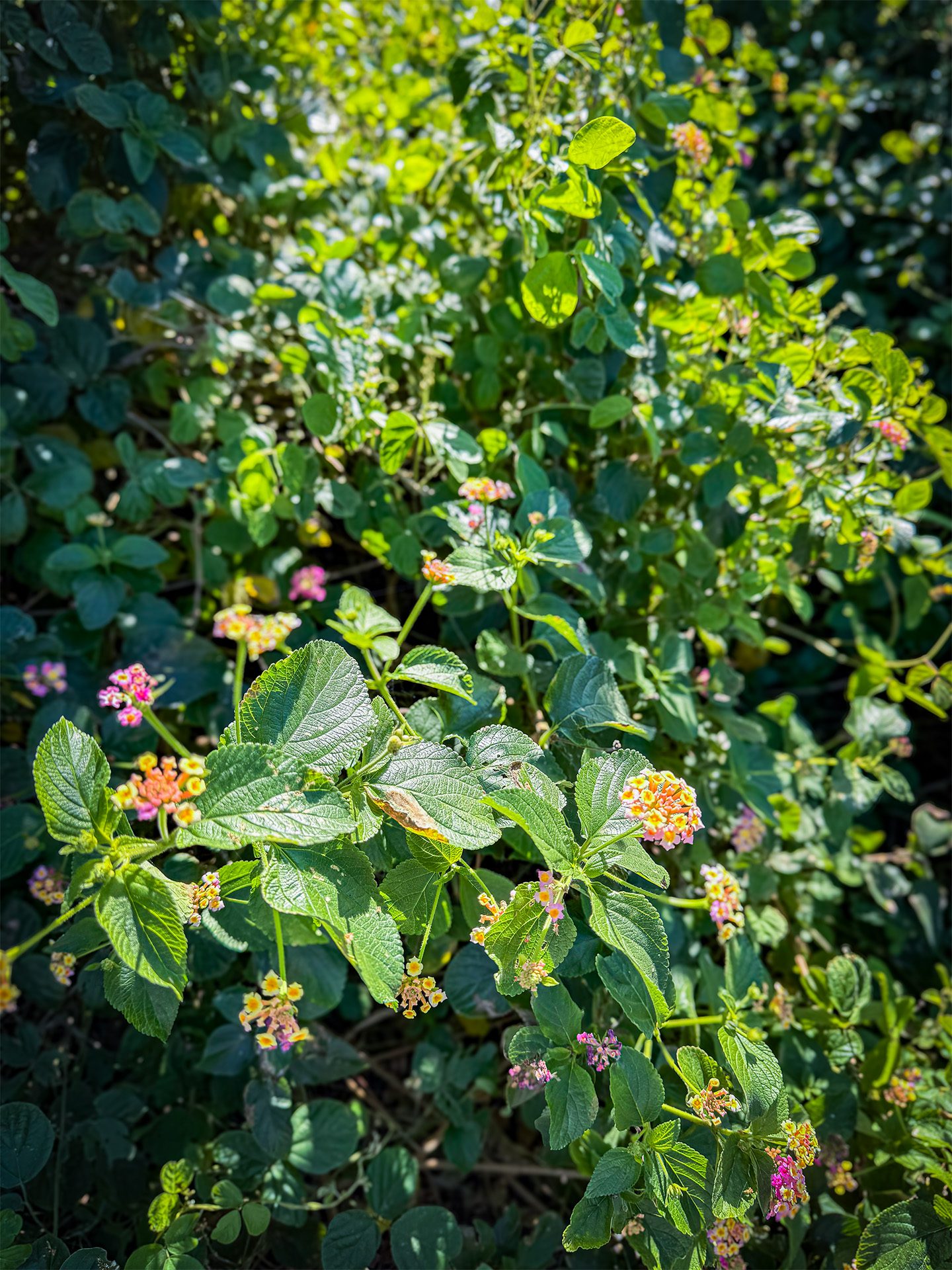
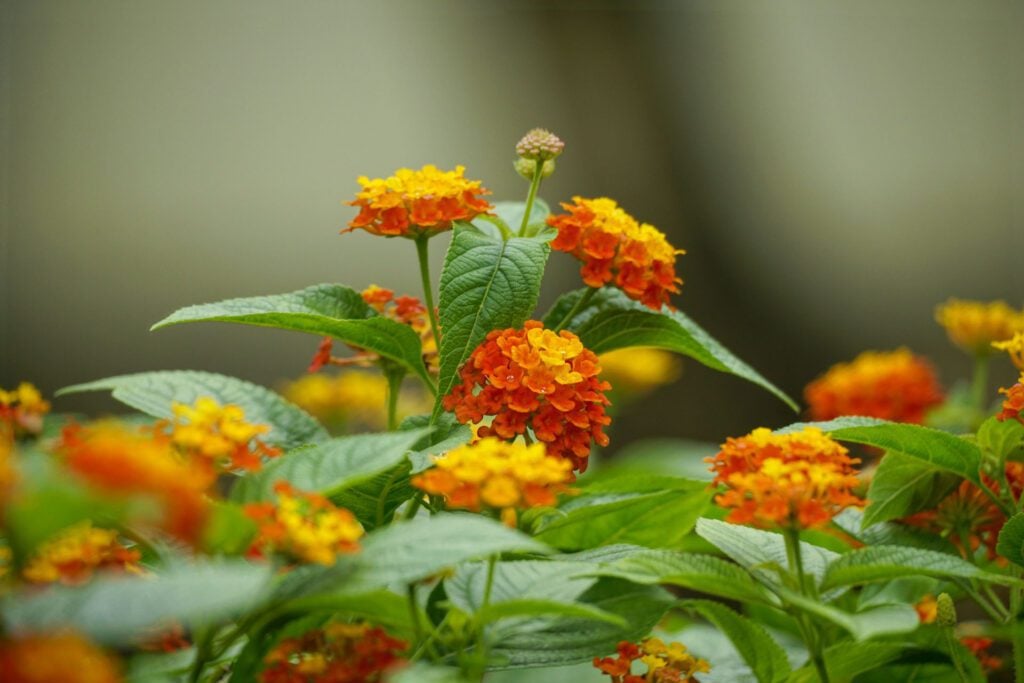
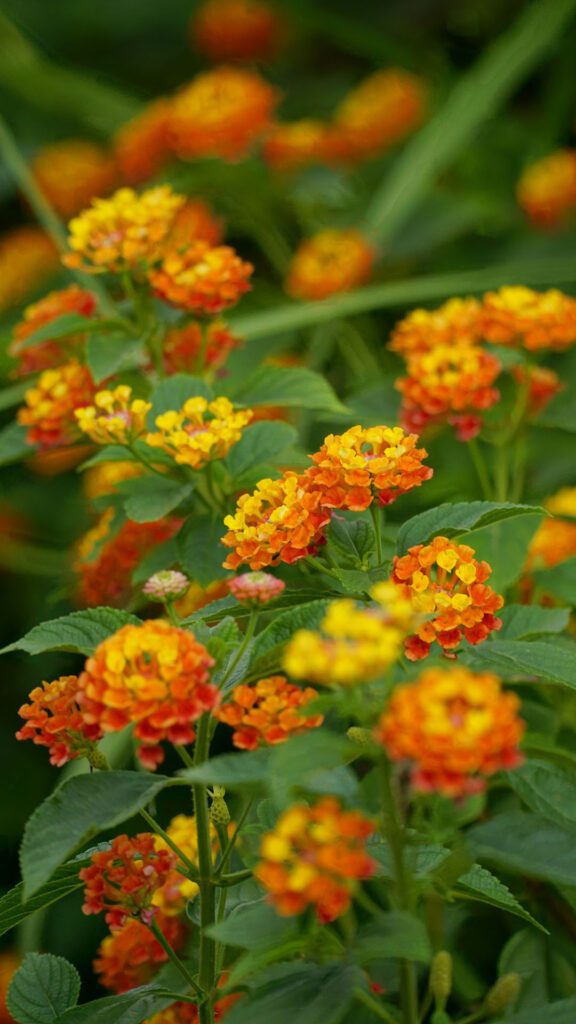
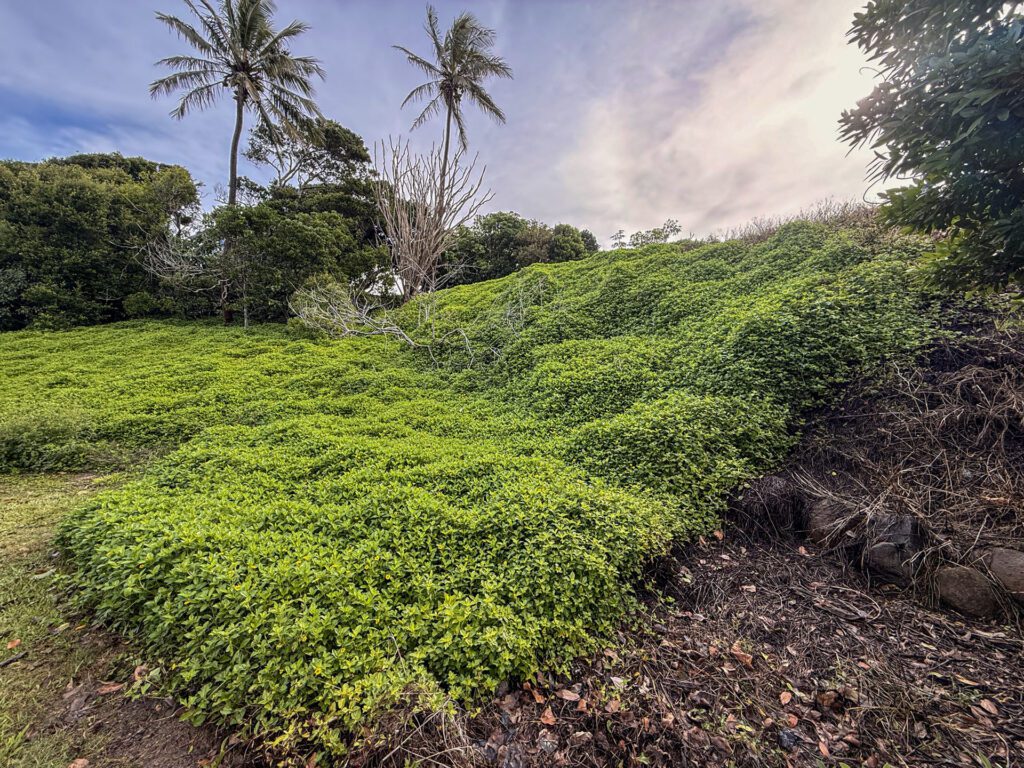
Lantana (Lantana camara) is one of Australia's most damaging invasive weeds, affecting more than 4 million hectares across eastern Australia. The plant forms dense thickets that suppress native vegetation, increase bushfire intensity, restrict access to land, and reduce biodiversity.

Lantana can also be toxic to livestock and creates ongoing management challenges for landowners, councils and environmental organisations.

Challenges with Traditional Control Methods

Why Lantana Is Difficult to Manage.

Many Lantana infestations require repeated treatments over several years. Traditional control methods often make the problem worse — spreading seeds, stimulating regrowth, or contaminating sensitive environments.
Rapid regrowth from remaining plant material
High labour and maintenance costs
Risk of spreading seeds and plant fragments during removal
Ongoing herbicide applications
Difficult access in bushland and sensitive environments
Long-term monitoring requirements
The Invaterm Solution

A Chemical-Free Alternative for Lantana Control

Invaterm uses controlled thermal treatment to destroy invasive plant material without relying on herbicides.

Unlike chemical-based approaches, thermal treatment can be used where environmental protection is a priority and where long-term management outcomes are required.
Key Benefits
  • Chemical-free treatment
  • Suitable for environmentally sensitive areas
  • Reduced risk of spreading invasive material
  • Documented and measurable process
  • Supports long-term eradication strategies
  • Developed and proven in Sweden
Why Thermal Treatment?

Benefits Compared with Conventional Methods

Traditional control approaches are effective in the short term but often introduce new problems. Invaterm's thermal method addresses the underlying causes of persistent Lantana infestations without chemical risk.
Challenge
Traditional Methods
Invaterm Thermal Treatment
Herbicide dependency
Often requires repeated herbicide applications
Chemical-free approach
Ecosystem risk
Risk of environmental contamination
Suitable for sensitive ecosystems
Long-term strategy
Long treatment periods
Controlled and documented process
Regrowth risk
Potential regrowth
Targets plant material and root systems
Disposal costs
High disposal costs
Potential for soil recovery and reuse
Suitable Locations

Where Invaterm Can Be Used

The method is suitable for:
  • Nature reserves
  • National parks
  • Waterways
  • Road and rail corridors
  • Agricultural land
  • Urban environments
  • Environmentally sensitive sites
Invaterm logotyp

Looking for a Sustainable Solution for Lantana?

Whether you manage public land, infrastructure, agricultural properties or environmental restoration projects, Invaterm can help support your invasive weed management programme.
© 2026 Invaterm AB